Giriş
Elektrikli otomobillerin popülaritesi artarken, hibrit (melez) teknolojiler de birçok sürücü için cazip bir alternatif olmaya devam ediyor. Özellikle önceki videomuzda %100 elektrikli araçları (EV) ele aldıktan sonra gelen yoğun sorular üzerine, bu yazımızda hibrit dünyasına, özellikle de Plug-in Hybrid (PHEV) yani şarj edilebilir hibritlere daha yakından bakıyoruz. Peki, hibrit nedir? Plug-in hibrit, tam hibrit (Toyota tarzı), mild hibrit ve hatta Nissan'ın e-Power gibi farklı teknolojiler arasındaki farklar neler? Hangi hibrit türü sizin sürüş alışkanlıklarınıza ve ihtiyaçlarınıza en uygun? Gelin, bu kafa karışıklığını giderelim ve hibrit otomobil seçiminizi bilinçli bir şekilde yapmanıza yardımcı olalım.
Hibrit Otomobil Nedir? Temel Prensip
En basit tanımıyla hibrit otomobiller, içten yanmalı bir motoru (benzinli veya dizel) bir veya daha fazla elektrik motoru ve bir batarya sistemiyle birleştiren araçlardır. Temel amaç, yakıt verimliliğini artırmak ve emisyonları azaltmaktır. Ancak bunu başarma yöntemleri, hibrit türüne göre önemli ölçüde farklılık gösterir.
Hibrit Teknolojisi Türleri ve Farklılıkları
Piyasada farklı isimler ve kısaltmalarla anılan çeşitli hibrit sistemleri bulunuyor. Gelin en yaygın olanları inceleyelim:
Tam Hibrit (Full Hybrid / Self-Charging Hybrid)
Nasıl Çalışır? Bu sistemin en bilinen örneği Toyota'nın hibrit modelleridir (Corolla Hybrid, C-HR Hybrid vb.). Araç, içten yanmalı motorun yanı sıra kendi kendini şarj edebilen (frenleme enerjisi geri kazanımıyla) görece küçük bir bataryaya ve elektrik motoruna sahiptir. Düşük hızlarda (genellikle 1-2 km gibi çok kısa mesafelerde) tamamen elektrikle gidebilir. Kalkışlarda ve hızlanmalarda elektrik motoru benzinli motora destek olur.
Avantajları: Özellikle şehir içi dur-kalk trafikte çok düşük yakıt tüketimi sunar (3.5-4.5 litre/100km gibi değerler görülebilir). Harici bir şarja ihtiyaç duymaz.
Dezavantajları: Elektrikli menzili çok sınırlıdır. Otoyol gibi sabit ve yüksek hızlarda yakıt tasarrufu avantajı azalır (7-8 litre/100km veya daha fazla yakabilir).
Kimin İçin Uygun? Ağırlıklı olarak şehir içinde araç kullanan ve şarj imkanıyla uğraşmak istemeyenler için idealdir.
Plug-in Hybrid (PHEV - Şarj Edilebilir Hibrit)
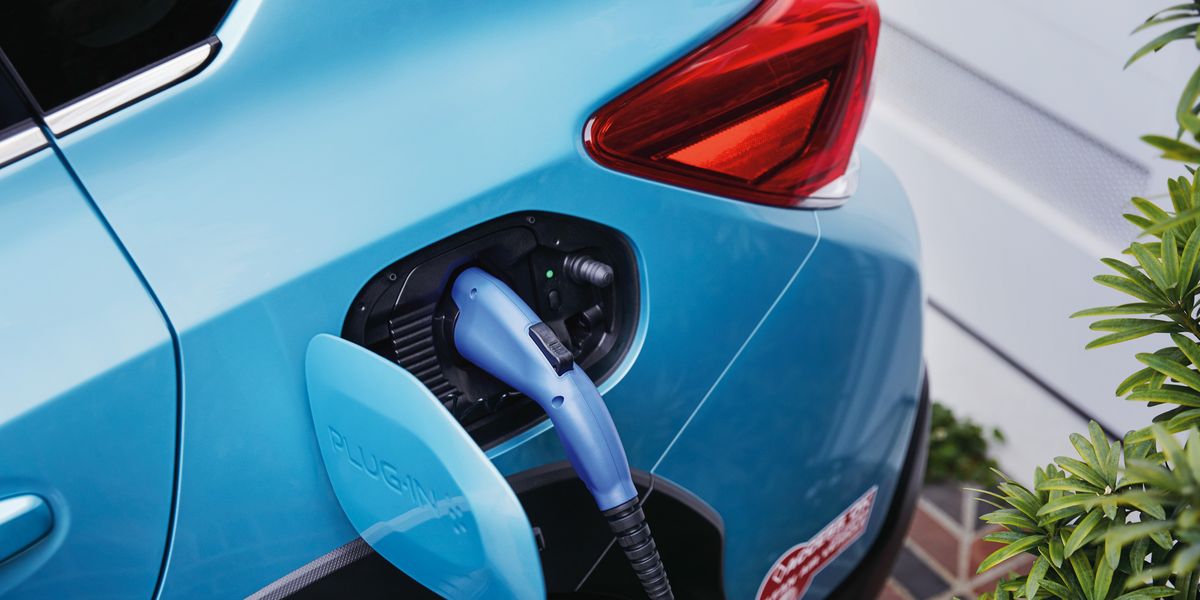
Nasıl Çalışır? PHEV'ler, tam hibritlere göre çok daha büyük bir bataryaya sahiptir (örneğin videoda bahsedilen BYD Seal U DM-i modelinde 18 kWh civarı). Bu batarya, harici bir kaynaktan (evdeki priz, şarj istasyonu) şarj edilebilir. Bu sayede sadece elektrik kullanarak önemli mesafeler (genellikle 50 km ve üzeri) kat edebilirler. Elektrikli sürüş modunda 120-130 km/s gibi yüksek hızlara çıkabilirler. Batarya bittiğinde veya daha fazla güç gerektiğinde içten yanmalı motor devreye girer. Farklı sürüş modları (sadece elektrik, hibrit, bataryayı koruma vb.) sunarlar.
Avantajları: Düzenli şarj edildiğinde günlük kısa mesafeli kullanımlarda sıfıra yakın yakıt tüketimi sağlar. Uzun yolculuklarda benzinli motor sayesinde menzil endişesi yaşatmaz. Genellikle tam hibritlerden daha güçlü performans sunarlar.
Dezavantajları: Verimli olabilmesi için düzenli şarj edilmesi şarttır. Batarya boşaldığında, taşıdığı ekstra ağırlık (batarya ve elektrik motoru) nedeniyle uzun yolda standart bir benzinli veya dizel araçtan, hatta tam hibritten daha fazla yakıt tüketebilir. Hem içten yanmalı motor hem de elektrik sistemi barındırdığı için daha karmaşık bir yapıya sahiptir, bu da potansiyel arıza riskini ve bakım maliyetini artırabilir. Genellikle diğer hibrit türlerinden ve benzinli/dizel muadillerinden daha pahalıdır.
Kimin İçin Uygun? Günlük sürüş mesafesi genellikle aracın elektrikli menzili içinde kalan (örneğin 50-60 km), evinde veya iş yerinde düzenli şarj imkanı olan, ancak arada sırada uzun yolculuklara çıkan ve menzil endişesi yaşamak istemeyen sürücüler için çok mantıklıdır.
Mild Hibrit (MHEV - Hafif Hibrit)
Nasıl Çalışır? Genellikle 48 Volt gibi küçük bir elektrik sistemi kullanır. Çok küçük bir bataryası vardır ve amacı daha çok start-stop sistemini daha pürüzsüz çalıştırmak ve çok hafif ivmelenmelerde motora minimal destek sağlamaktır. Tamamen elektrikli sürüş sunmaz.
Avantajları: Nispeten daha basit ve ucuz bir teknolojidir.
Dezavantajları: Yakıt tasarrufuna etkisi çok azdır (0.2-0.5 litre/100km gibi). Gerçek bir hibrit deneyimi sunmaz. Videodaki konuşmacının da belirttiği gibi, çoğu zaman gerçek bir hibrit sayılmaz.
Kimin İçin Uygun? Yakıt tüketiminde minimal bir iyileşme arayan veya markanın "hibrit" etiketinden faydalanmak isteyenler için düşünülebilir, ancak büyük bir beklenti içinde olunmamalıdır.
Range Extender (Menzil Artırıcılı) Hibrit
Nasıl Çalışır? Bu sistemde (örneğin Nissan'ın e-Power teknolojisi), içten yanmalı motor tekerlekleri hiçbir zaman doğrudan çevirmez. Motorun tek görevi, bir jeneratör gibi çalışarak bataryayı şarj etmektir. Tekerlekler her zaman elektrik motoru tarafından döndürülür.
Avantajları: Sürekli elektrikli sürüş hissi sunar. Motor en verimli devir aralığında çalıştığı için genellikle iyi bir yakıt ekonomisi sağlar (5-6 litre/100km civarı). Mekanik olarak PHEV'lere göre daha basit olabilir.
Dezavantajları: Yine de bir içten yanmalı motor ve onun bakım gereksinimleri vardır. Harici şarj imkanı sunmaz (genellikle).
Kimin İçin Uygun? Elektrikli sürüş deneyimini seven ancak şarj altyapısı veya menzil konusunda endişeleri olanlar için ilginç bir alternatiftir.
Hangi Hibrit Sizin İçin Doğru? Karar Verme Kılavuzu
Doğru hibrit türünü seçmek, tamamen sizin kişisel ihtiyaçlarınıza ve kullanım alışkanlıklarınıza bağlıdır:
- Ağırlıklı olarak şehir içi, kısa mesafeler kullanıyor ve düzenli şarj imkanınız varsa: PHEV veya %100 Elektrikli (EV) en mantıklı seçeneklerdir. PHEV ile neredeyse hiç benzin harcamadan günlük işlerinizi halledebilirsiniz.
- Ağırlıklı olarak şehir içi kullanıyor ancak düzenli şarj imkanınız yoksa: Tam Hibrit (Toyota tarzı) veya Range Extender (Nissan e-Power) sizin için daha uygun olabilir. Kendi kendilerini şarj ettikleri veya motoru jeneratör olarak kullandıkları için priz arama derdiniz olmaz.
- Sık sık uzun yolculuk yapıyorsanız: Bu durumda işler biraz karışıyor. Verimli bir Dizel veya Benzinli araç hala iyi bir seçenek olabilir. Tam Hibritler ve Range Extender'lar otoyolda verimliliklerini bir miktar kaybeder. PHEV'ler ise bataryaları bittiğinde ağırlaşacakları için uzun yolda en az verimli seçenek haline gelebilirler. Eğer uzun yolculuklara dolu batarya ile başlayabiliyorsanız PHEV bir miktar avantaj sağlayabilir. Uzun menzilli bir EV de şarj planlamasıyla düşünülebilir.
- Yılda sadece 1-2 kez çok uzak mesafelere (örn. Doğu Anadolu) gidiyorsanız: Bu durumda %100 Elektrikli araç menzil ve şarj altyapısı nedeniyle sorun yaratabilir. PHEV, bu senaryoda esneklik sunduğu için öne çıkar. Hem şehir içinde elektrikli kullanırsınız hem de o nadir uzun yolculuklarda benzinle devam edersiniz.
- Sadece minimal bir yakıt tasarrufu istiyorsanız: Mild Hibrit (MHEV) düşünülebilir, ancak faydaları sınırlıdır.
Diğer Önemli Faktörler
- Satın Alma Maliyeti: PHEV'ler genellikle en pahalı seçenektir. Mild hibritler en uygun fiyatlı olabilir.
- Bakım ve Güvenilirlik: Daha karmaşık sistemler (özellikle PHEV'ler) potansiyel olarak daha fazla arıza riski ve bakım maliyeti anlamına gelebilir. Tam hibritler (özellikle Toyota) bu konuda uzun yıllardır kendini kanıtlamıştır. %100 elektrikli araçlar mekanik olarak en basit olanlardır.
- Sürüş Deneyimi: Elektrik motorlarının anlık torku, tüm hibritlerde (özellikle PHEV ve Range Extender'larda) keyifli ve sessiz bir sürüş sunar.
Sonuç
Gördüğünüz gibi, "hibrit" tek bir teknoloji değil, farklı ihtiyaçlara cevap veren çeşitli sistemleri içeren geniş bir kavram. Plug-in hibritler, doğru kullanım senaryosunda (kısa mesafe ağırlıklı kullanım ve düzenli şarj) muazzam bir yakıt tasarrufu ve esneklik sunabilirken, uzun yol ağırlıklı veya şarj imkanı olmayan kullanıcılar için en ideal seçenek olmayabilirler. Tam hibritler, özellikle şehir içi kullanımda kanıtlanmış verimlilik sunarken, Range Extender'lar ilginç bir denge noktası oluşturuyor. Mild hibritler ise daha çok küçük bir adım niteliğinde.
Otomobil seçiminizi yaparken kendi sürüş alışkanlıklarınızı, günlük mesafelerinizi, şarj imkanlarınızı ve bütçenizi dikkatlice değerlendirmeniz, size en uygun hibrit (veya elektrikli) aracı bulmanızı sağlayacaktır.
Sizin tercihiniz hangisi? Hibrit otomobillerle ilgili deneyimlerinizi veya sorularınızı yorumlarda paylaşmaktan çekinmeyin!