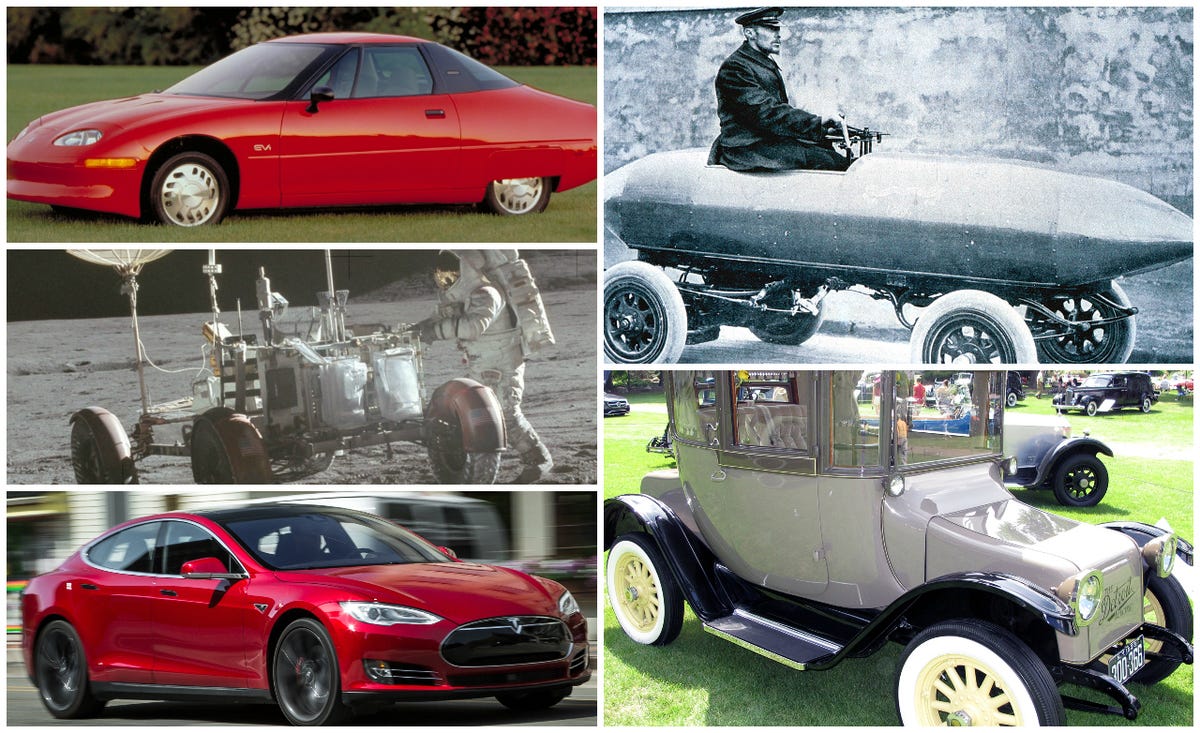
Elektrikli arabalar giderek daha popüler hale geliyor ve benzinli araçlara çevre dostu bir alternatif sunuyor. Ancak, elektrikli araba almadan önce dikkate almanız gereken bazı önemli noktalar var. Bu blog yazısında, elektrikli araba almayı düşünenler için bilmeniz gereken temel konuları ele alacağız.
Elektrikli Araba Şarjı: AC ve DC Farkı
Elektrikli arabalar, temelde iki farklı şarj türüyle şarj edilebilir:
- AC Şarj (Alternatif Akım): Evlerde kullandığımız standart elektrik akımıdır. AC şarj, genellikle daha yavaş bir şarj yöntemidir ve ev tipi prizlerden veya wallbox'lardan yapılabilir.
- DC Şarj (Doğru Akım): Hızlı şarj istasyonlarında bulunan doğru akımdır. DC şarj, AC şarja göre çok daha hızlıdır ve elektrikli aracınızı kısa sürede önemli ölçüde şarj etmenizi sağlar.
Piyasadaki çoğu elektrikli araba hem AC hem de DC şarjı destekler. Ancak, şarj hızları ve maliyetleri açısından farklılıklar bulunur.
Evde Şarj: AC Şarjın Avantajları ve Dezavantajları
Evde AC şarj, elektrikli araba sahipleri için en yaygın ve kullanışlı şarj yöntemlerinden biridir. Evdeki standart prize takılabilen özel kablolar sayesinde aracınızı gece boyunca şarj edebilirsiniz.
Avantajları:
- Kolaylık: Evde şarj, benzin istasyonuna gitme zahmetini ortadan kaldırır.
- Maliyet Etkinliği: Evde elektrik maliyeti, benzin fiyatlarına göre genellikle daha düşüktür.
Dezavantajları:
- Yavaş Şarj Hızı: Ev tipi prizlerden şarj, özellikle büyük bataryalı araçlar için uzun sürebilir. Ortalama bir elektrikli araba, ev prizinden saatte yaklaşık 3.5 kW şarj olabilir, bu da tam şarj için 10 saatten fazla süre gerektirebilir.
- Ek Kablo Maliyeti: Evde şarj için özel bir kablo satın almanız gerekebilir. Bu kabloların fiyatları 7.000 TL ile 20.000 TL arasında değişebilir.
- Wallbox Kurulumu (Opsiyonel): Daha hızlı evde şarj için wallbox kurdurabilirsiniz, ancak bu da ek maliyet ve tesisat gerektirir. Wallbox ve kurulum maliyeti 20.000 TL'nin üzerine çıkabilir.
Hızlı Şarj İstasyonları: DC Şarjın Avantajları ve Dezavantajları
Seyahat halindeyken veya acil durumlarda DC hızlı şarj istasyonları idealdir. Bu istasyonlar, elektrikli arabanızı 30 dakika ile 1 saat arasında %80 doluluğa ulaştırabilir.
Avantajları:
- Hızlı Şarj: Seyahatlerde zaman tasarrufu sağlar.
- Yaygınlaşan Ağ: Şarj istasyonlarının sayısı giderek artmaktadır.
Dezavantajları:
- Maliyet: DC şarj, evde AC şarja göre daha maliyetli olabilir.
- İstasyon Bulma ve Doluluk: Şarj istasyonlarını bulmak ve yoğun saatlerde doluluk durumuyla karşılaşmak mümkün olabilir.
- Batarya Sağlığı: Sık sık DC hızlı şarj kullanmak, batarya ömrünü bir miktar kısaltabilir.
Batarya Teknolojisi: NMC ve LFP Farkı
Elektrikli arabalarda kullanılan iki ana batarya teknolojisi vardır:
- NMC (Nikel Manganez Kobalt): Daha yüksek enerji yoğunluğuna sahiptir, yani daha küçük ve hafif bataryalarla daha uzun menzil sunabilir. Genellikle daha hızlı şarj olurlar.
- LFP (Lityum Demir Fosfat): Daha uzun ömürlü ve daha güvenlidir. Daha uygun maliyetlidirler ve daha fazla şarj döngüsüne dayanıklıdırlar. Ancak, NMC bataryalara göre enerji yoğunlukları biraz daha düşüktür.
Hangi batarya teknolojisinin sizin için daha uygun olduğu, kullanım alışkanlıklarınıza ve önceliklerinize bağlıdır. Uzun ömürlülük ve güvenlik sizin için öncelikliyse LFP bataryalar iyi bir seçenek olabilirken, daha uzun menzil ve hızlı şarj sizin için daha önemliyse NMC bataryalar daha uygun olabilir.
Menzil: WLTP Gerçekliği ve Kullanım Koşullarının Etkisi
Elektrikli arabaların menzili, WLTP (Dünya Uyumlu Hafif Araç Test Prosedürü) standartlarına göre belirlenir. Ancak, WLTP menzili her zaman gerçek sürüş koşullarını yansıtmayabilir.
Menzili Etkileyen Faktörler:
- Hava Koşulları: Soğuk hava, batarya performansını düşürebilir ve menzili %20-50 oranında azaltabilir.
- Sürüş Tarzı: Agresif sürüş ve yüksek hızlar, enerji tüketimini artırarak menzili kısaltır.
- Araç Yükü: Araçtaki yolcu ve yük ağırlığı, menzili etkileyebilir.
- Klima ve Isıtma: Klima ve ısıtma sistemleri, batarya enerjisini tüketerek menzili azaltır.
Elektrikli araba alırken, WLTP menzilini referans almakla birlikte, gerçek kullanım koşullarında menzilin daha düşük olabileceğini unutmamak önemlidir. Özellikle soğuk iklimlerde yaşıyorsanız veya uzun yolculuklar yapıyorsanız, menzil konusunda dikkatli olmanız gerekir.
Vergi Avantajları ve MTV
Elektrikli arabaların en büyük avantajlarından biri, vergi avantajlarıdır. Türkiye'de elektrikli arabaların ÖTV oranları, motor gücüne göre oldukça düşüktür. Ancak, MTV (Motorlu Taşıtlar Vergisi) konusunda dikkatli olmak gerekir.
Elektrikli Arabalarda MTV Hesaplaması:
- 150 kW ve altı motor gücüne sahip araçlar: Yıllık MTV 2025 yılı itibarıyla yaklaşık 10.500 TL civarında.
- 150 kW üstü motor gücüne sahip araçlar: Yıllık MTV 2025 yılı itibarıyla yaklaşık 13.500 TL'ye çıkmaktadır.
Özellikle yüksek performanslı elektrikli arabaların MTV'si, benzinli araçlarla kıyaslandığında yüksek olabilir. Bu nedenle, elektrikli araba alırken MTV maliyetini de göz önünde bulundurmanız önemlidir.
Bakım ve Maliyet Avantajları
Elektrikli arabaların içten yanmalı motorlu araçlara göre daha az bakım gerektirdiği genel bir kabuldür. Elektrikli araçlarda yağ değişimi, buji değişimi gibi rutin bakımlar olmadığı için bakım maliyetleri önemli ölçüde düşebilir. Balatalar da rejeneratif frenleme sayesinde daha uzun ömürlü olur.
İkinci El Değer Kaybı
Elektrikli araba piyasası henüz gelişme aşamasında olduğu için, ikinci el değer kaybı konusunda belirsizlikler bulunmaktadır. Ancak, genel olarak elektrikli arabaların ikinci el değerlerinin içten yanmalı motorlu araçlara göre daha hızlı düşebileceği öngörülmektedir. Özellikle Çin menşeli elektrikli arabaların ikinci el değer kaybı konusunda daha dikkatli olmak gerekebilir.
Sonuç
Elektrikli araba almak, çevreye duyarlı ve ekonomik bir tercih olabilir. Ancak, doğru kararı verebilmek için şarj altyapısı, batarya teknolojisi, menzil, vergi avantajları, bakım maliyetleri ve ikinci el değer kaybı gibi faktörleri dikkatlice değerlendirmek önemlidir.
Umarım bu blog yazısı, elektrikli araba almadan önce bilmeniz gereken temel konular hakkında size yardımcı olmuştur. Elektrikli arabalarla ilgili daha fazla sorunuz varsa, yorumlar bölümünde bize ulaşmaktan çekinmeyin!